This episode with Dr. Luke Pittman dives deep into the benefits of Direct Primary Care for seniors. He explains how the model empowers patients through affordability, personalized care, and strong patient-provider relationships. Through real-life examples, Dr. Pittman emphasizes why advocacy and education are key to better healthcare outcomes.
What is Direct Primary Care (DPC), and how does it differ from traditional care?
Direct Primary Care (DPC) is a healthcare model that eliminates the middleman - insurance - and instead operates on a flat, monthly membership. According to Dr. Luke Pittman, this model fosters closer relationships between patients and physicians. Unlike traditional fee-for-service models, DPC allows doctors to control operations, tailor care, and make decisions in real time, because they often own their practice.
How does the cost structure of DPC support seniors on fixed incomes?
Dr. Pittman outlines Valiant Primary Care's family-based pricing: $150 for the first family member, $100 for the second, and $50 for each additional person. This cost-effective model is especially appealing to seniors managing chronic conditions or those frequently needing medical care. For some, even those on Medicaid or Medicare, DPC offers a better healthcare experience through relationship-based care and personalized access.
What kind of real-life impact does DPC have on patients?
Through patient stories, Dr. Pittman illustrates how DPC improves lives. From managing chronic illnesses like prediabetes and sleep apnea, to offering in-home care for less-mobile seniors, DPC provides tailored and proactive care. In one case, his coordination with a nursing home and follow-up post-hospitalization prevented a potential readmission, highlighting the power of ongoing, connected care.
How does Dr. Pittman use education and advocacy to empower patients?
Dr. Pittman believes in patient education as a tool for empowerment. By drawing diagrams and simplifying complex medical concepts, he ensures patients understand their conditions and options. This transparency builds trust and equips patients to make better health choices. As he notes, patients often respond, “No one’s ever explained that to me before,” which marks a shift toward shared decision-making.
What does patient advocacy mean in today’s healthcare system?
Patient advocacy is central to Dr. Pittman's mission. He expresses frustration that self-advocacy is still so necessary in modern healthcare. While acknowledging this reality, he also sees it as a call to action for physicians. By staying in practice and prioritizing people over protocol, Dr. Pittman becomes a voice for patients, especially those who may not otherwise be heard.
How can families and caregivers better support their loved ones in care settings?
Families can play a vital role by preparing questions in advance, taking notes during visits, and engaging in closed-loop communication. Dr. Pittman encourages loved ones to get involved, speak up when needed, and not hesitate to challenge systems that fail. He also points to resources like care managers, home health agencies, and Area Agencies on Aging as critical partners in senior care navigation.
“Direct Primary Care transforms the patient experience by building true relationships between doctors and families. It’s about giving people time, respect, and clarity in every visit.”
— Dr. Luke Pittman
Frequently Asked Questions
What is Direct Primary Care (DPC)?
Direct Primary Care is a healthcare model where patients pay a monthly fee directly to their doctor, bypassing insurance.
Is DPC suitable for seniors on Medicare or Medicaid?
Yes. Many seniors find the personalized care and accessibility worth the monthly cost, even alongside Medicare or Medicaid.
How does patient advocacy affect care outcomes?
Patient advocacy helps ensure concerns are heard, questions are asked, and healthcare decisions are better aligned with the patient’s needs.
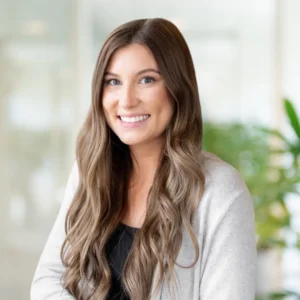
Kirstin McCarthy
About the Author
Kirstin McCarthy is a seasoned Marketing Specialist at Senior Home Companions, serving the Indianapolis, Lafayette, and Florida regions. She holds a B.A. in Communication and Marketing from Indiana State University. She brings a strong focus on advertising, social media, content creation, and community outreach. Her passion for serving older adults was sparked at a young age through a close bond with my great-grandmother. She spent countless hours visiting her and other family members in senior care facilities, where she witnessed firsthand both the beauty and the challenges of aging. Those early experiences instilled a deep respect for seniors and a calling to help them feel valued, seen, and cared for. At Senior Home Companions, she turns that lifelong passion into purpose—working each day to ensure families experience peace of mind and their loved ones receive the dignity, joy, and compassionate care they deserve.
To further support older adults and their families, she also hosts a podcast featuring local healthcare professionals and community partners. Through meaningful conversations, she shines a light on valuable resources and timely topics to empower, educate, and connect those navigating the aging journey. Follow her on LinkedIn.